Why Is Double-Sided Polyimide Tape Suitable for High-Temperature Bonding?
When bonding materials in electronics, electrical equipment, and manufacturing applications, the working temperature is an important consideration. At high temperatures, a tape needs to do more than bond two surfaces. It also needs to withstand heat and provide the insulation or protection required for the application.
Double-sided polyimide tape is suitable for these applications because it combines a polyimide film with adhesive on both sides. The polyimide film provides heat resistance and electrical insulation, while the adhesive allows the tape to bond and fix materials. This combination makes the tape suitable for applications that require both bonding and high-temperature performance.
The following sections explain how the polyimide film, adhesive, and double-sided design contribute to its use in high-temperature applications.
Key Takeaways
- Double-sided polyimide tape combines a heat-resistant polyimide film with adhesive on both sides, making it suitable for bonding and fixing materials in high-temperature applications.
- Polyimide film provides heat resistance and electrical insulation, while the adhesive layers provide the bonding function.
- The tape can be used for PCB assembly, electronic devices, transformer coils, motor cables, and high-temperature masking and shielding.
- TF310 DOUBLE uses silicone adhesive on both sides and has a specified temperature rating of up to 260°C (500°F) with H-class electrical insulation.
What Is Double-Sided Polyimide Tape?
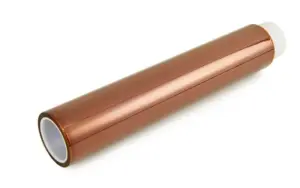
Double-sided polyimide tape is a type of polyimide film adhesive tape that uses a polyimide film as its base and adhesive layers on both sides. A release film may be applied to one or both sides depending on the tape structure.
Unlike single-sided polyimide tape, the adhesive surfaces on both sides allow the tape to bond or fix two materials together. This makes the tape suitable for applications that require both the performance of polyimide film and double-sided bonding.
Why Is Polyimide Tape Suitable for High-Temperature Bonding?
High temperature polyimide tape is suitable for high-temperature bonding because its material structure combines heat resistance, bonding, electrical insulation, and resistance to demanding environments. The polyimide film provides the heat-resistant and insulating base, while the adhesive provides the bonding function. Together, these properties allow the tape to bond, fix, and insulate materials in applications where elevated temperatures are involved.
High Temperature Resistance
The polyimide film provides the tape with a heat-resistant base, allowing it to be used when bonded materials are exposed to elevated temperatures. This makes polyimide tape suitable for applications such as high-temperature bonding, fixing, and masking in electronic and electrical equipment.
For bonding applications, the tape needs to perform its bonding function while also withstanding the temperature of the working environment. The combination of a heat-resistant polyimide film and a suitable adhesive allows the tape to serve both purposes, which is why polyimide tape is widely used in applications involving heat.
Electrical Insulation for High-Temperature Applications
In electronic and electrical applications, bonding is often required together with electrical insulation. A tape used in these environments needs to fix or bond components without creating an unwanted electrical connection.
Polyimide film provides electrical insulation, allowing polyimide film adhesive tape to combine bonding and insulation in the same application. This is particularly useful for transformer coils, motor cables, and other electrical components where both elevated temperatures and electrical insulation are involved.
Adhesion and Mechanical Performance
High-temperature bonding requires the tape to provide both good adhesion and enough strength to hold the bonded materials in place.
With adhesive on both sides, double-sided polyimide tape can bond two surfaces or fix a component to another material. Its adhesion, tensile strength, and elongation also support the bonding and fixing process. Combined with the heat resistance of polyimide film, these properties make the tape suitable for bonding applications involving high temperatures.
Chemical and Corrosion Resistance
Some high-temperature bonding applications also involve demanding operating environments. In these cases, the tape may need to withstand not only elevated temperatures but also conditions where chemical or corrosion resistance is required.
Polyimide tape provides chemical and corrosion resistance in addition to its heat resistance and electrical insulation. This combination allows the tape to provide bonding, fixing, or insulation in applications where more than one environmental requirement is present. As a result, it can be used in a wider range of electronic, electrical, and industrial applications involving heat and demanding conditions.
What Are the Main Polyimide Tape Uses?
The combination of high-temperature performance, electrical insulation, and bonding capability gives polyimide tape a wide range of applications in electronics and electrical manufacturing.
PCB and Electronic Applications
In PCB and electronic applications, double-sided polyimide tape can be used to fix components and insulating materials during assembly and processing. Its double-sided adhesive allows materials to be bonded directly to PCBs or other surfaces, while the polyimide film provides electrical insulation and heat resistance.
The tape can also be die cut into specific shapes for different component sizes and assembly requirements. This makes it suitable for PCB assembly, mobile phones, and other electronic devices where precise bonding and insulation are required.
Transformer and Motor Insulation
Electrical equipment such as transformers and motors may involve high-temperature insulation requirements.
In transformer coil applications, tape can be used for high-temperature insulation and bundling. In motor-related applications, it can also be used for insulation repair of cables.
These applications demonstrate why high-temperature polyimide tape can be useful when electrical insulation and resistance to elevated temperatures are required together.
High-Temperature Masking and Shielding
High-temperature manufacturing processes may require certain areas to be protected or masked during processing.
Applications such as 3D printing boards and high-temperature powder coating can involve elevated temperatures, making heat-resistant tape useful for masking and shielding.
When the application also requires the tape to be fixed to a surface, a double-sided structure can provide an additional bonding function.
Die-Cut Labels and Electronic Components
Polyimide tape can also be processed into different shapes through die cutting.
For electronics manufacturing, customized shapes can make it easier to use tape in areas with specific dimensional or structural requirements. Polyimide tape can therefore be processed into labels and other application-specific forms.
Why Is TF310 DOUBLE Suitable for High-Temperature Bonding?
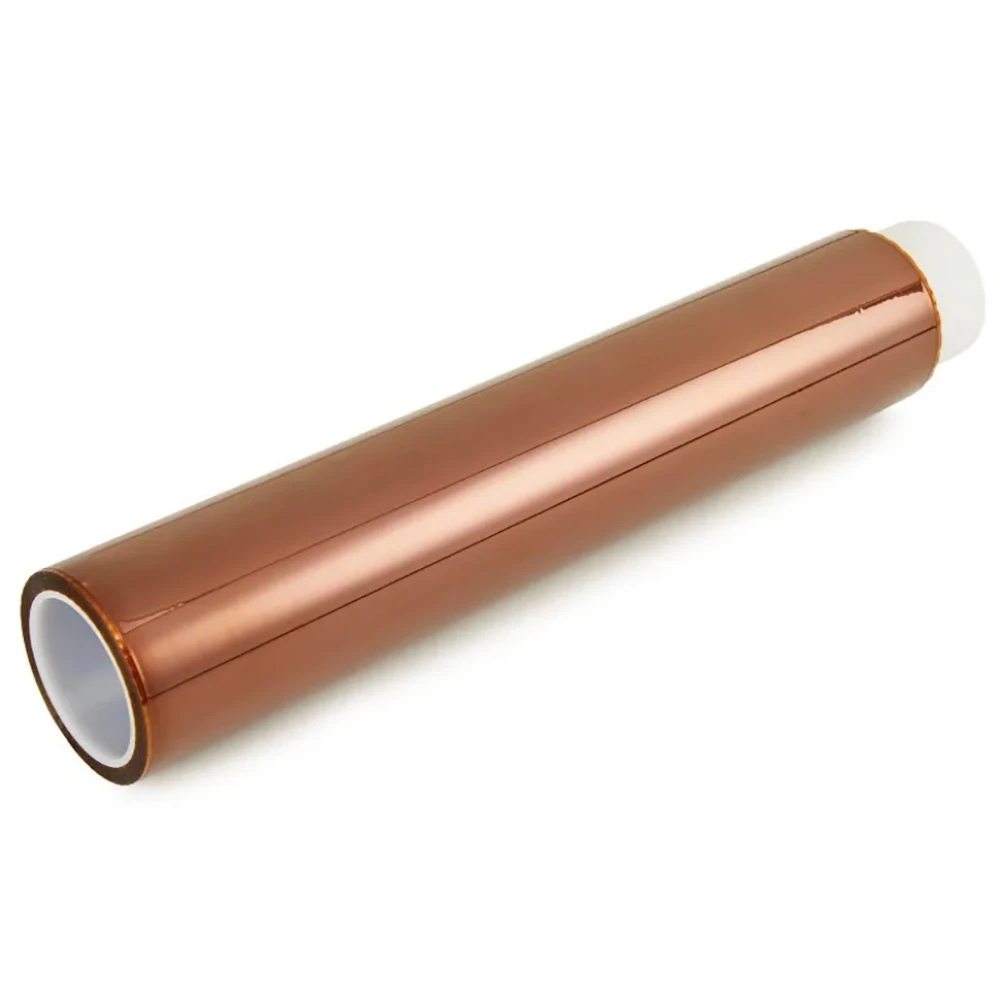
The product uses a polyimide film base with silicone adhesive on both sides. This structure provides the combination of a polyimide substrate and double-sided bonding required for applications involving high-temperature bonding, fixing, and insulation.
Double-Sided Silicone Adhesive for Bonding and Fixing
TF310 DOUBLE uses a PI/silicone adhesive structure, with silicone adhesive applied to both sides of the polyimide film.
The product can also be supplied with fluorine release film on one or both sides, depending on the configuration.
260°C Temperature Rating and H-Class Insulation
TF310 DOUBLE has a specified temperature rating of up to 260°C (500°F) and is classified as H-grade electrical insulation.
These specifications directly correspond to the requirements of high-temperature bonding applications in electronics and electrical industries.
Depending on the configuration, its dielectric strength is specified at ≥5,000 V, ≥7,000 V, or ≥12,000 V.
This combination of temperature resistance and electrical insulation makes the tape suitable for applications where bonding and insulation are required under elevated-temperature conditions.
Multiple Thickness and Performance Options
TF310 DOUBLE is available in multiple configurations to accommodate different application requirements.
The base film thicknesses include 0.025 mm, 0.05 mm, and 0.1 mm, while tape thickness options include 0.07 mm, 0.095 mm, 0.15 mm, and 0.2 mm, depending on the configuration.
Other performance values also vary by specification. Adhesion to steel ranges from 3.5 to 6.5 N/25 mm, tensile strength ranges from 14 to 35 kg/25 mm, and elongation ranges from 45% to 65%.
These values can be used as reference points when matching the tape to a specific bonding or insulation requirement.
Easy Die Cutting for Custom Applications
TF310 DOUBLE can be die cut into different shapes. This processing capability allows the tape to be adapted to applications that require specific dimensions or shapes, particularly in electronics and electrical manufacturing.
Conclusion
Double-sided polyimide tape is well suited to high-temperature bonding because it combines a heat-resistant polyimide film with adhesive on both sides. This structure allows one tape to provide bonding and fixing while also supporting electrical insulation in demanding applications.
TF310 DOUBLE is designed for this type of application. It uses a polyimide film with silicone adhesive on both sides, with a specified temperature rating of up to 260°C (500°F) and H-class electrical insulation. It is available in multiple thickness and performance configurations and can be die cut for different electronic and electrical applications.
If you are looking for a high temperature polyimide tape for PCB assembly, electrical insulation, high-temperature masking, or other bonding applications, contact us to discuss your application requirements and find a suitable TF310 DOUBLE configuration.
Frequently Asked Questions About Double-Sided Polyimide Tape
What is double-sided polyimide tape used for?
Double-sided polyimide tape is used for applications that require bonding, fixing, insulation, or shielding under elevated-temperature conditions. Common applications include PCBs, electronic equipment, transformer coils, motor cables, and high-temperature masking.
How much heat can polyimide tape withstand?
The maximum temperature depends on the specific product and configuration. For TF310 DOUBLE, the specified temperature rating is up to 260°C (500°F).
Is polyimide tape suitable for electrical insulation?
Yes. Polyimide tape is commonly used in electrical and electronic applications because polyimide film provides electrical insulation properties. TF310 DOUBLE is specified as H-grade electrical insulation.
What adhesive does TF310 DOUBLE use?
TF310 DOUBLE uses silicone adhesive on both sides of the polyimide film.
Can double-sided polyimide tape be die cut?
Yes. TF310 DOUBLE can be die cut into different shapes and can be processed into various labels and application-specific forms.