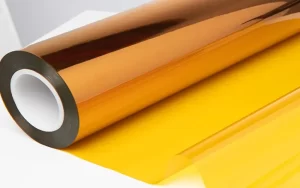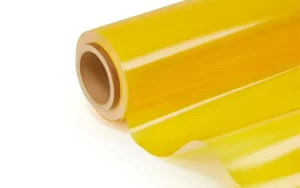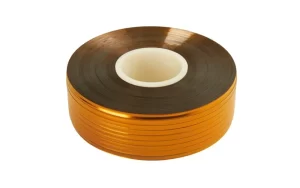
How to Choose FEP Coated Polyimide Film for Electrical Insulation, Automotive, and Aerospace Applications
Key Takeaways
- FEP coated polyimide film combines the high-temperature stability of polyimide with the heat-sealing properties of FEP fluoropolymer.
- The right material depends on the application’s technical requirements, including film thickness, dielectric properties, peel strength, and coating configuration.
- Single-sided and double-sided FEP coated films are built for different lamination and bonding requirements.
- FEP coated films are used in electrical insulation, heater circuits, automotive applications, tubing, and heat-sealable products.
Introduction
FEP coated polyimide film is used for applications that need reliable insulation, heat resistance, and bonding performance. Common uses include electrical insulation, heater circuits, automotive components, tubing, and other industrial products.
Standard polyimide film is known for its excellent thermal and electrical properties. However, some applications require additional bonding capability, moisture resistance, and chemical resistance. The FEP coating adds heat-sealing capability, moisture resistance, and chemical resistance while maintaining the core properties of the polyimide film.
This article explains how FEP coated polyimide film differs from standard polyimide film and what factors should be considered, such as thickness, electrical properties, and coating type.
What Is FEP Coated Polyimide Film
FEP coated polyimide film is made by coating or laminating FEP fluoropolymer on one or both sides of a polyimide film. Polyimide provides insulation properties, while the FEP coating imparts heat-sealing capabilities and enhances moisture and chemical resistance.
Unlike standard polyimide film, FEP coated film has a heat-sealable surface that allows bonding during the assembly process. The FEP coating allows the film to be heat bonded without using an additional adhesive layer.
FEP coated polyimide film is used in applications such as electrical insulation, heater circuits, automotive diaphragms, manifolds, and tubing. These applications require reliable insulation performance and heat-sealing capability.
How Does It Differ from Standard Polyimide Film
The difference comes from the FEP coating applied to the polyimide base film. While standard polyimide film is mainly used for insulation and heat resistance, FEP coated film provides an additional heat-sealable surface with improved moisture and chemical resistance.
FEP coated polyimide film provides:
- Heat-sealing capability for bonded structures
- Improved moisture resistance
- Enhanced chemical resistance
- Reliable electrical insulation
- Good flexibility for processing applications
With its insulation performance and heat-sealing capability, FEP coated polyimide film can meet the needs of applications that require reliable bonding and electrical protection.
Why Is FEP Coated Polyimide Film Used in Demanding Industries
Electrical Insulation Systems
FEP coated polyimide film is used as an electrical insulation material in applications that require reliable dielectric performance and heat resistance.
The film provides reliable insulation performance and heat-sealing capability for applications that require bonded insulation structures.
In these applications, insulation failure can mean equipment downtime, costly repairs, or safety risks. Materials with stable dielectric properties help mitigate these risks while extending equipment service life.
Automotive and Electric Vehicle Applications
For EV-related insulation applications, FEP coated polyimide film offers the electrical insulation and heat resistance of polyimide with the added benefit of FEP heat sealing. The added FEP coating makes the film suitable for insulation applications that require heat sealing and reliable electrical performance.
In automotive applications, the film is used for:
- Battery insulation
- Motor winding insulation
- Wire harness protection
- Electrical insulation applications
- Automotive diaphragm parts
- Manifold insulation
Aerospace Applications
Aerospace applications require insulation materials that can provide reliable electrical performance and withstand high temperatures.
FEP coated polyimide film is commonly used for:
- Aircraft wiring insulation
- Lightweight electrical insulation systems
- Flexible cable protection
- Thermal barriers
- Electronic assemblies
The film is used in aerospace applications where flexibility, electrical insulation, and heat resistance are required.
Industrial Heating and Flexible Electronics
FEP coated polyimide film is also used in industrial applications such as heater circuits, heat-sealable bags, and insulation structures.
The film is used for:
- Heater circuits
- Flexible heaters
- Heat-sealable bags
- Flexible printed assemblies
- Industrial sensors
- Electronic insulation components
The FEP coating enables heat bonding during processing without affecting the film’s insulation properties.
How to Choose the Right FEP Coated Polyimide Film
The right FEP coated polyimide film depends on the specific requirements of the application. The choice depends on the application conditions, including operating temperature, electrical requirements, film thickness, and processing methods.
1. Define the Operating Environment
Start by assessing the application’s operating temperature, exposure to chemicals, humidity, and mechanical stress.
Applications involving continuous high temperatures or repeated thermal cycling generally call for materials with a proven track record of long-term thermal stability
2. Evaluate Electrical Performance
Electrical performance is an important factor when selecting FEP coated polyimide film.
When comparing products, pay close attention to:
- Dielectric breakdown strength
- Dielectric constant
- Loss tangent
- Insulation stability
In applications such as transformers, motors, and EV battery systems, electrical properties are key factors in determining whether the film meets the insulation requirements.
3. Select the Appropriate Thickness
Thickness selection depends on the role of the film in the final assembly. Different applications require different levels of flexibility, strength, and insulation thickness.
Thinner films offer:
- Better flexibility
- Lower material thickness
- Easier integration into compact designs
Thicker films offer:
- Higher mechanical strength
- Increased insulation thickness
- Better support in applications with higher mechanical requirements
Thickness selection should be made according to the required electrical performance, assembly method, and operating environment.
4. Determine the Required Coating Configuration
Single-sided and double-sided FEP coatings are used for different assembly designs.
Single-sided FEP coated films are used when bonding is needed on one surface only. Double-sided FEP coated films are used for multilayer laminations and designs where bonding is required on both surfaces.
5. Evaluate the Manufacturer’s Technical Capability
The supplier’s manufacturing capability is also an important factor when selecting FEP coated polyimide film.
Look for suppliers that provide:
- Product quality consistency
- Manufacturing capability
- Available thickness options
- Custom slitting and converting services
- Technical support
- Sample availability
- Production lead times
Partnering with an experienced manufacturer makes it easier for you to select the right film and verify that it meets your application requirements.
F46 FEP Coated Polyimide Film for Electrical Insulation Applications
F46 FEP coated polyimide film consists of a polyimide film base with FEP fluoropolymer coating on one or both sides. The FEP coating adds heat-sealing properties to the polyimide film while retaining the film’s inherent thermal and electrical performance.
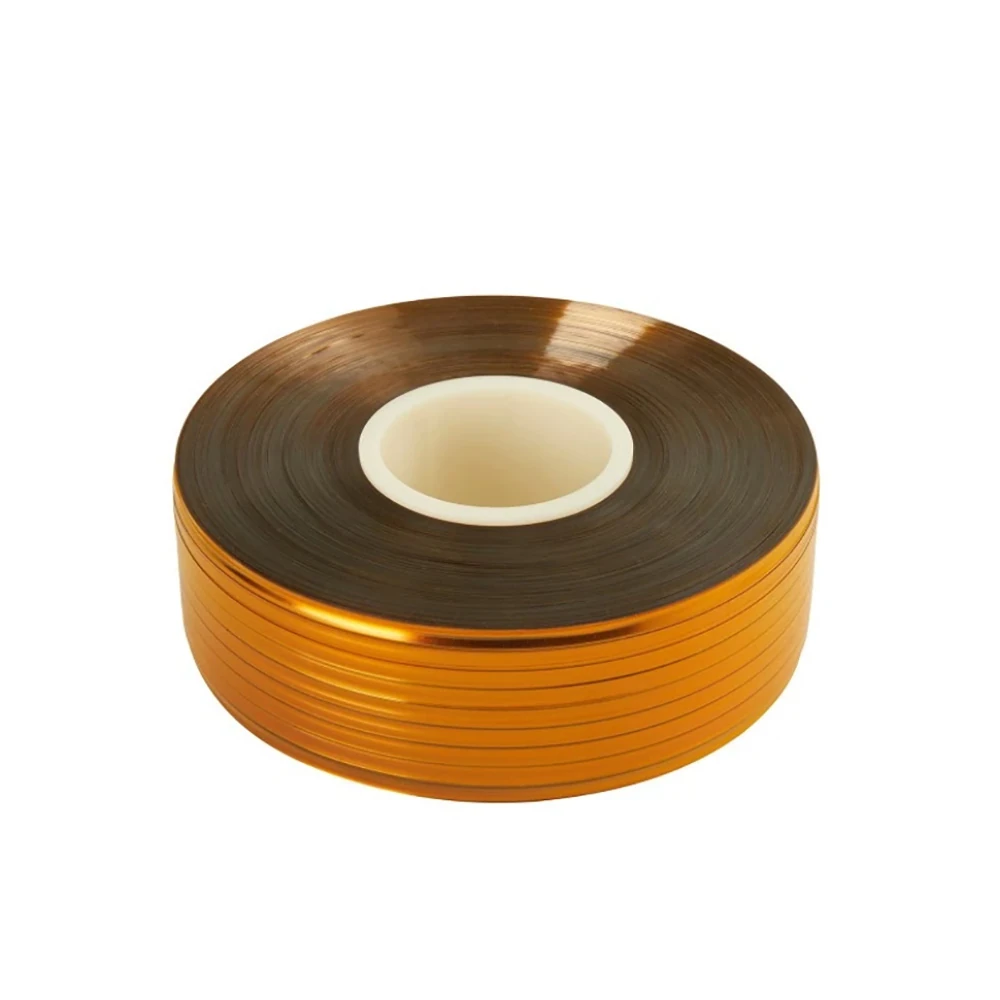
F46 electrical insulation film is available with single-sided or double-sided FEP coating options for different bonding and lamination processes. Thickness options range from 0.033 mm to 0.075 mm, covering applications that require different levels of flexibility, insulation performance, and mechanical strength.
The typical performance data of F46 FEP coated polyimide film include:
| Property | Typical Value |
| Total Thickness | 0.033 mm / 0.038 mm / 0.050 mm / 0.075 mm |
| Structure Options | Single-sided FEP coating / Double-sided FEP coating |
| Tensile Strength | ≥110 MPa |
| Elongation | ≥55% |
| Peel Strength | ≥8 N/25 mm |
| Breakdown Strength | ≥150 kV/mm |
| Dielectric Constant (50 Hz) | ≤4.0 |
| Loss Tangent (50 Hz) | ≤0.004 |
With its heat-sealing capability, moisture resistance, and chemical resistance, F46 high temperature polyimide film is used in applications such as electrical insulation, heater circuits, automotive diaphragms, manifolds, tubing, and heat-sealable products.
Customers can request technical specifications and product samples to evaluate whether the film meets their application requirements.
Conclusion
FEP coated polyimide film brings together the thermal performance and electrical insulation properties of polyimide with the heat-sealing capability of FEP. The film is used in electrical, automotive, aerospace, and industrial applications that require insulation performance and heat-sealing capability.
Film selection should consider factors such as temperature conditions, electrical performance, thickness, and coating type. An experienced polyimide film manufacturer can provide technical guidance to help customers choose a suitable product.
Request Technical Support
Need assistance selecting the right polyimide film for your application?
Our engineering team can help you:
- Recommend the appropriate film thickness and coating configuration
- Provide detailed technical specifications for F46 FEP coated polyimide film
- Support custom roll widths and converting requirements
- Supply material samples for evaluation
Contact us today to discuss your project requirements and request a customized quotation or technical datasheet.