Polyimide Thin Film: Properties, Types and Industrial Applications Guide
What Is Polyimide Film?
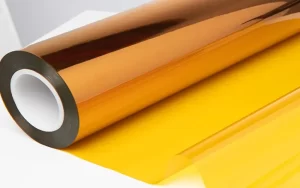
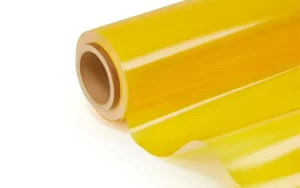
Polyimide film is a high-performance polymer film known for its excellent thermal stability, electrical insulation, mechanical strength, and dimensional reliability. Due to these properties, polyimide film has become an important material in advanced electronics, flexible circuits, insulation systems, and other industrial applications.
Polyimide Film Composition and Manufacturing Process
Polyimide film is made from polyimide resin and is processed into a thin, flexible film structure. The biaxial orientation structure gives polyimide thin film excellent mechanical properties and dimensional stability, which are important for applications such as FCCL substrates and ultra-thin cover films.
The final performance of polyimide film depends on factors such as thickness, mechanical strength, electrical insulation capability, and thermal performance. Different thickness options allow manufacturers to select suitable materials for various electronic and industrial applications.
Why Polyimide Thin Film Is Used in Advanced Electronics
As electronic products continue to move toward smaller sizes and higher integration, thinner and more reliable materials are required in their manufacturing processes. Polyimide thin film is widely used in these applications because it combines a thin profile with good flexibility and insulation performance. Because of these properties, polyimide thin film is widely used in flexible circuits, microelectronics, sensors, and high-density electronic devices where thinness and insulation performance are important.
Polyimide Film Properties: Key Performance Advantages
The popularity of polyimide film comes from its balanced combination of thermal, electrical, and mechanical properties. These properties help polyimide film maintain stable performance in applications where durability and reliability are important.
High Temperature Resistance and Thermal Stability
One of the most important polyimide film properties is its excellent heat resistance. Polyimide thin film maintains stable performance in high-temperature environments, making it suitable for applications where conventional polymer materials may not provide sufficient reliability.
The strong thermal stability of polyimide film helps support continuous operation in demanding electronic and industrial conditions.
Excellent Electrical Insulation and Dielectric Strength
Polyimide film provides reliable electrical insulation performance. It features high insulation strength and stable resistivity, helping prevent electrical failures in insulation applications.
These electrical characteristics make polyimide film a suitable choice for applications requiring dependable dielectric performance.
Mechanical Strength, Flexibility and Dimensional Stability
In addition to thermal and electrical advantages, polyimide film offers strong mechanical performance. Its high tensile strength and good elongation allow the film to maintain reliability during processing and application.
Surface Bonding Performance for Industrial Applications
Polyimide film also features reliable surface bonding characteristics, allowing it to be used in applications where stable adhesion and material integration are required.
This makes polyimide film suitable for electronic structures that require both insulation performance and compatibility with other materials.
Types of Polyimide Thin Film
Different polyimide film uses require different film structures based on application requirements, thickness, and performance needs.
Standard Polyimide Film
Standard polyimide film is commonly used for electrical insulation and industrial applications requiring balanced thermal and mechanical properties.
It provides reliable performance for applications where high temperature resistance and insulation capability are essential.
Ultra Thin Polyimide Film
Ultra thin polyimide film is designed for applications where space efficiency and flexibility are important. With reduced thickness, it can support compact electronic designs while maintaining excellent insulation and thermal stability.
This type of polyimide film is widely considered for flexible circuits, microelectronics, sensors, and high-density electronic devices.
Specialized Polyimide Films for Advanced Applications
Different polyimide film solutions can be developed according to specific application requirements. Factors such as thickness, electrical performance, and mechanical properties help determine the most suitable film type.
Featured Product: Ultra Thin Polyimide Film TFB6051
Tianjin Fortune provides ultra thin polyimide film developed and produced for applications requiring high performance, flexibility, and reliable insulation properties.
TFB6051 is a two-layer biaxially oriented natural color (yellow) polyimide film. It combines excellent mechanical properties, high thermal stability, dielectric strength, heat resistance, insulation performance, and surface bonding characteristics.
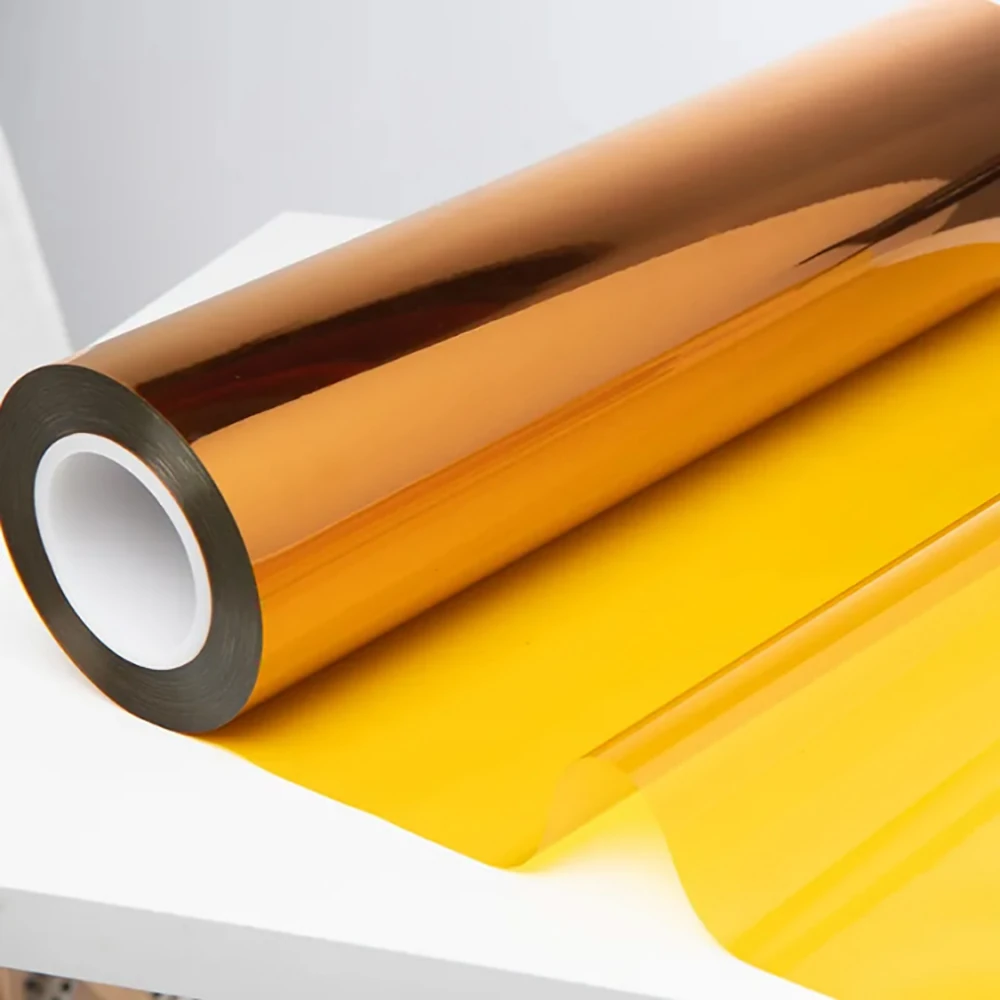
Product Overview of TFB6051 Ultra Thin Polyimide Film
TFB6051 ultra thin polyimide film is available in two thickness specifications:
- TFB6051#5.0: 18 μm thickness
- TFB6051#7.5: 20 μm thickness
Both options feature a thickness tolerance of ±0.3 μm, providing consistent performance for precision applications.
Technical Specifications of TFB6051 Polyimide Film
| Item | Unit | TFB6051#5.0 | TFB6051#7.5 |
| Thickness | μm | 18 | 20 |
| Thickness Tolerance | μm | ±0.3 | ±0.3 |
| Tensile Strength | MPa | 220 | 230 |
| Elongation | % | 30 | 30 |
| Volume Resistivity | Ω·cm | 4.5×10¹³ | 4.5×10¹³ |
| Surface Resistivity | Ω | 3×10¹⁵ | 3×10¹⁵ |
| Insulation Strength | V/μm | 250 | 250 |
| Heat-shrinking Rate (200℃×2h) | % | 0.08 | 0.08 |
Note: The data above are typical values obtained from testing of mass-produced products and should not be regarded as guaranteed values.
Key Benefits of Our Ultra Thin Polyimide Film
TFB6051 ultra thin polyimide film offers several advantages:
- Ultra-thin structure for space-efficient designs
- Excellent thermal stability for high-temperature applications
- Reliable electrical insulation performance
- Strong mechanical properties and dimensional stability
- Suitable for precision electronic applications
Applications of TFB6051 Ultra Thin Polyimide Film
Ultra thin polyimide films are mainly used in:
- FCCL substrates
- Sputtered FCCL substrates
- Ultra-thin cover films
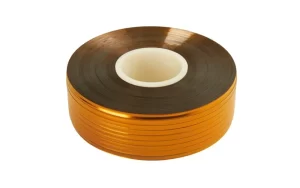
- Insulating tapes
These applications require materials with stable electrical performance, flexibility, and reliable processing characteristics.
Tianjin Fortune: Advanced Polyimide Film Manufacturing Expertise
Tianjin Fortune focuses on the development and production of polyimide film products designed for industrial and electronic applications.
By providing ultra thin polyimide film with stable performance characteristics, Tianjin Fortune supports customers looking for reliable insulation materials, flexible circuit materials, and high-performance polymer films.
Professional Polyimide Film Production Capability
Tianjin Fortune develops and manufactures ultra thin polyimide film with controlled thickness, stable mechanical properties, and reliable electrical performance.
The TFB6051 series demonstrates the company’s capability in producing thin polyimide film solutions for precision applications.
Strict Quality Control and Reliable Product Performance
For industrial materials, consistent product performance is essential. Tianjin Fortune focuses on maintaining stable product specifications, including thickness accuracy, tensile strength, resistivity, insulation strength, and thermal shrinkage performance.
Serving Global Electronics and Industrial Applications
With applications in FCCL substrates, cover films, insulating tapes, and other electronic-related fields, Tianjin Fortune provides polyimide film solutions for customers requiring high-performance materials.
Frequently Asked Questions About Polyimide Film
What Is Polyimide Film Used For?
Polyimide film is used in flexible circuit boards, FCCL substrates, sputtered FCCL substrates, ultra-thin cover films, insulating tapes, microelectronics, sensors, and high-density electronic devices.
How Does Polyimide Film Perform Under High Temperatures?
Polyimide film provides excellent thermal stability and heat resistance, allowing it to maintain reliable performance in high-temperature applications.
What Is the Difference Between Standard and Ultra Thin Polyimide Film?
Ultra thin polyimide film has a thinner structure designed for applications requiring flexibility and space efficiency. It is commonly used in compact electronic devices and precision applications.
Conclusion: Polyimide Thin Film for Advanced Electronic Applications
Polyimide thin film combines thermal stability, electrical insulation, mechanical strength, and flexibility, making it an important material for modern electronic and industrial applications.
Tianjin Fortune’s ultra thin polyimide film TFB6051 provides reliable performance with thickness options of 18 μm and 20 μm, supporting applications such as FCCL substrates, sputtered FCCL substrates, ultra-thin cover films, and insulating tapes.
For more information about polyimide film solutions, contact Tianjin Fortune to discuss your application requirements and request a quote.