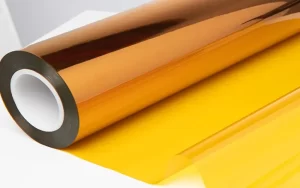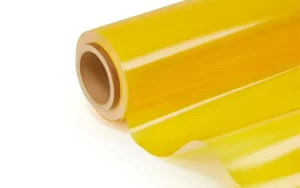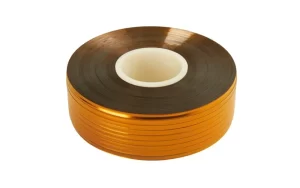
Why Rubber Adhesive Polyimide Tape Is Replacing Traditional Acrylic PI Tape in High-Temperature Applications
In the demanding world of electronics manufacturing, automotive engineering, and energy storage, the materials used for insulation and protection are just as critical as the components themselves. For years, acrylic-based polyimide (PI) tapes were the standard for high-temperature masking and insulation. However, a significant shift is occurring. Manufacturers are increasingly turning to rubber adhesive polyimide tape to solve the performance limitations of acrylic systems. This article explores why high temp polyimide tape with rubber adhesive is becoming the superior choice for engineers and procurement specialists.
What Is Polyimide Adhesive Tape
Polyimide adhesive tape is a pressure-sensitive tape composed of a polyimide film backing and a specially formulated adhesive coating. Polyimide films offer outstanding thermal stability, chemical resistance, and dielectric strength—performance that holds steady across a wide temperature spectrum. Lightweight yet durable, they are perfectly suited for critical, space-limited applications. However, the film is only half the story. The adhesive system, which bonds the tape to the substrate, ultimately governs real-world performance. While acrylic adhesives handle general-purpose tasks well, they tend to degrade under prolonged heat or chemical attack. Rubber-based adhesives, in contrast, are purpose-built to perform under precisely these demanding conditions.
Why Traditional Acrylic PI Tape Is No Longer Enough
Limitations in High-Temperature Applications
Acrylic adhesives typically begin to harden and lose tackiness when exposed to temperatures exceeding 100°C for extended periods. They can become brittle, leading to tape lifting or “flagging” on curved surfaces. In contrast, a high temp polyimide tape with a rubber adhesive maintains flexibility and adhesion even after thermal aging, ensuring consistent performance.
Challenges in Battery and Electronics Manufacturing
In the lithium-ion battery industry, tapes are submerged in aggressive electrolytes. Traditional acrylic adhesives often struggle in this environment. They may swell, precipitate, or degrade, causing the adhesive layer to become unstable. This can lead to contamination of the electrolyte and a decline in battery performance. The demand for longer battery life and higher energy density has exposed these weaknesses, driving the need for a more robust solution.
Why Rubber Adhesive Polyimide Tape Is Becoming the Better Choice
The move toward rubber-based adhesives is driven by four critical performance criteria: heat resistance, adhesion strength, chemical stability, and long-term reliability.
Superior Heat Resistance
A rubber adhesive system provides excellent resistance to thermal degradation. Unlike acrylics, which can cross-link and become brittle, rubber adhesives retain their elastomeric properties. This ensures that the tape remains flexible and conformable, even after extended exposure to heat. The data shows that PI with rubber adhesive maintains stable performance, as seen in standard tests like heat aging at 100°C/4h where it peels cleanly without residue.
Stronger Adhesion Under Thermal Stress
Rubber adhesives often provide higher initial tack and peel adhesion to various surfaces, including metals and plastics. More importantly, they maintain this adhesion under thermal stress. The specifications for a quality product, such as adhesion to steel at ≥10 N/25mm, are achieved consistently with rubber systems, ensuring components stay protected even as temperatures fluctuate.
Excellent Chemical and Electrolyte Resistance
This is where rubber adhesive truly excels. Modern batteries require materials that can withstand aggressive electrolytes without degrading. A high-performance heat resistant polyimide tape with rubber adhesive exhibits excellent resistance to electrolyte swelling and precipitation. Even after soaking in an electrolyte at 85°C for 50 days, the adhesive layer remains stable, and peeling force remains consistent. This is a critical advantage over acrylic tapes, which often degrade in such environments.
Improved Long-Term Reliability
The combination of thermal stability and chemical resistance leads to significant improvements in long-term reliability. By preventing degradation of the adhesive layer, rubber-based polyimide tape ensures the integrity of the insulation and protection throughout the product’s lifespan. This reduces the risk of field failures and costly recalls.
Common Applications of High Temp Polyimide Tape
The versatility of this tape makes it indispensable in several key industries.
Battery Cell Electrode Protection: Specifically designed for the adhesive protection of electrode plate parts in various steel shell, aluminum shell, pouch, and polymer battery cells.
Coil Wrapping and Motor Insulation: Provides reliable insulation for coils and windings in high-temperature motors and transformers.
Wave Soldering Masking: Protects circuit board contacts from solder splashes during the wave soldering process.
Automotive Electronics: Used for wire harness wrapping, sensor insulation, and component securing under the hood, where temperatures are extreme.
Electronic Component Manufacturing: Provides insulation and protection for capacitors, transformers, and flexible printed circuits.
Our PI Rubber Adhesive Tape: Features and Technical Specifications
Our polyimide rubber adhesive tape is engineered to meet the highest standards of quality and performance for industrial applications.
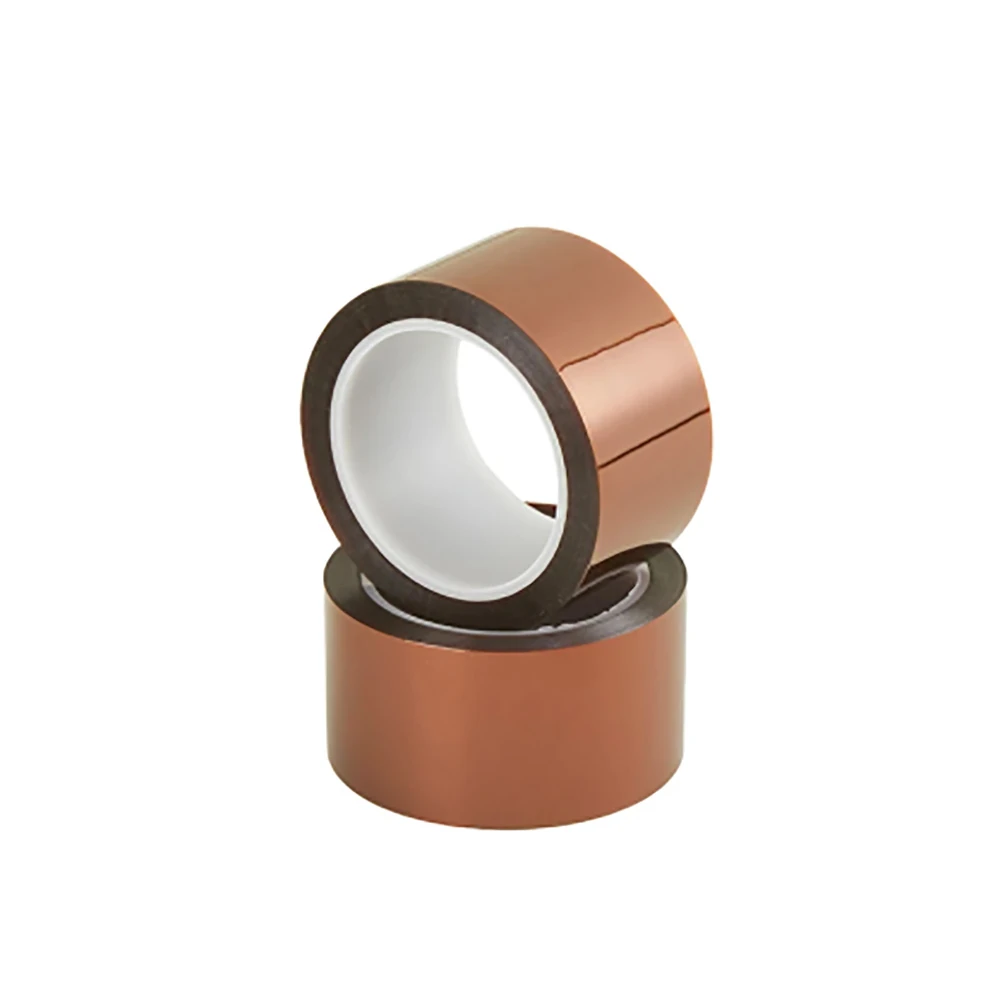
Product Overview
This product utilizes a polyimide film as the base film, combined with a high-performance rubber-based pressure-sensitive adhesive. It is designed specifically for applications demanding superior heat resistance, chemical stability, and reliable adhesion. Ideal for electronics and automotive industries, it ensures stable performance in harsh environments.
Key Features
Excellent Heat Resistance: Maintains integrity and adhesion after thermal aging (e.g., 100°C/4h).
Strong Adhesion: Provides a minimum adhesion to steel of ≥10 N/25mm.
Electrical Insulation: Offers reliable dielectric insulation for sensitive electronic components.
Electrolyte Resistance: Excellent resistance to swelling and precipitation in battery electrolytes. It remains stable even after 85°C/50d immersion.
Stable Performance: Prevents carbonization and precipitation issues associated with other tape types after cyclic charging and discharging.
Technical Specifications
| Product Name | PI Rubber Tape | PI Rubber Tape |
| Base Film / Adhesive | PI / Rubber Adhesive | PI / Rubber Adhesive |
| Base Film Thickness (mm) | 0.02 | 0.025 |
| Total Tape Thickness (mm) | 0.04 | 0.032 |
| Adhesion to Steel (N/25mm) | ≥10 | ≥10 |
| Tensile Strength (kgf/cm) | ≥2.5 | ≥2.5 |
| Elongation (%) | ≥60% | ≥60% |
Note: The data in the table are typical values obtained from the testing of mass-produced products and should not be regarded as guaranteed values.
Recommended Applications
Adhesive protection of electrode plate parts (steel shell, aluminum shell, pouch, and polymer battery cells).
Insulation for coils and motors.
Masking for wave soldering processes.
General high-temperature bonding and securing.
How Rubber Adhesive Polyimide Tape Improves Battery Performance
The battery manufacturing sector is a primary driver of the shift to rubber adhesive PI tape due to specific performance improvements.
Stable Adhesion After High-Temperature Aging
During battery manufacturing, electrode assemblies undergo drying and curing processes. Rubber adhesive PI tape ensures adhesion remains strong post-thermal processing, preventing delamination and maintaining structural integrity of the cell.
Resistance to Electrolyte Swelling and Precipitation
As noted, the rubber adhesive system maintains a stable adhesive layer state even when submerged in electrolytes. This prevents the adhesive from dissolving or peeling off, which could contaminate the electrolyte and reduce ionic conductivity.
Preventing Carbonization and Short Circuits
A critical advancement is the tape’s ability to solve the problem of tape blackening after cyclic charging and discharging. Carbonization or precipitation of the adhesive can create conductive paths, leading to micro-short circuits and reduced battery life. This rubber adhesive tape effectively prevents these issues, ensuring stable electrochemical cycling voltage and a longer lifespan for the battery.
How to Choose the Right Heat Resistant Polyimide Tape
Selecting the correct tape requires careful consideration of the application environment.
Consider the Operating Temperature
Identify the maximum temperature the tape will be exposed to and for how long. If prolonged exposure exceeds 100°C, a rubber adhesive system is generally more reliable than standard acrylic alternatives.
Choose the Right Adhesive System
Evaluate your chemical environment. If the tape will be exposed to oils, solvents, or electrolytes, a rubber adhesive offers superior resistance and longevity.
Evaluate Chemical Compatibility
Conduct compatibility tests. As demonstrated by our product’s performance (stable after 85°C/50d electrolyte soak), ensure the tape you select does not leach contaminants or degrade in your specific chemical environment.
Verify Mechanical Performance
Check the adhesion, tensile strength, and elongation specifications to ensure the tape can withstand the physical stresses of your manufacturing process.
Frequently Asked Questions About Polyimide Film Tape
Is rubber adhesive better than acrylic adhesive for high-temperature applications?
For applications involving prolonged heat exposure (over 100°C) or contact with aggressive chemicals, rubber adhesive offers superior flexibility, adhesion retention, and resistance to degradation compared to standard acrylic adhesives.
What temperature can polyimide adhesive tape withstand?
The polyimide film itself can withstand temperatures up to 400°C. The practical service temperature of the tape is determined by the adhesive. High-quality rubber adhesive PI tapes are designed to perform reliably in continuous high-temperature environments.
Can rubber adhesive polyimide tape be used in lithium batteries?
Yes. It is specifically designed for this purpose. The rubber adhesive formulation offers excellent resistance to electrolyte swelling and precipitation, ensuring stable electrode adhesion and preventing degradation of battery performance.
What industries commonly use high temp polyimide tape?
This tape is widely used in the electronics, automotive, aerospace, and renewable energy (battery) industries for insulation, masking, and protection applications.
Conclusion
The transition from acrylic to rubber adhesive polyimide tape is a logical evolution driven by the demands of modern engineering. For high-temperature applications, particularly in the sensitive environment of battery manufacturing and automotive electronics, PI with rubber adhesive offers superior heat resistance, stronger adhesion under stress, and unmatched chemical stability. By solving critical issues like electrolyte degradation and carbonization, rubber adhesive PI tape provides the reliability and performance required to enhance product lifespan and safety. When selecting a heat resistant polyimide tape, considering a rubber adhesive system is not just an option—it is a strategic decision for quality and performance. If you are interested in PI tape with rubber adhesive, please feel free to contact us for more information and a quote.