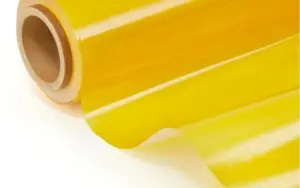
How Does Polyimide Film with Nomex Paper Improve Motor Insulation?
Electric motors, generators, and transformers are the workhorses of modern industry. From factory drives to power distribution, these machines are expected to run reliably for years — often in conditions that are hot, electrically stressed, and mechanically demanding. The single most important factor deciding whether they keep running is the quality of their electrical insulation. When insulation degrades, everything else follows: short circuits, ground faults, unplanned downtime, and costly repairs.
For decades, engineers have worked to make insulation systems thinner, stronger, and able to withstand higher temperatures. One of the most effective answers to this challenge is a composite material that layers a polyimide film with Nomex paper. The result is a flexible, high-temperature, high-dielectric material that protects motors and transformers far better than either layer could on its own.
Why Motor Insulation Fails
To understand what makes a good insulation material, it helps to know what it is up against. Motor insulation faces several stresses at the same time.
The first is heat. As a motor runs, the windings generate heat from resistive losses and core losses. Over time, heat accelerates chemical aging in the insulation. For every step up in operating temperature, the life of conventional insulation shortens significantly. This is why insulation materials are rated by thermal class, and why high-temperature environments demand materials that simply do not break down when hot.
The second stress is electrical. Insulation must withstand the voltage between conductors, between phases, and between windings and the grounded frame. Under load, motors also experience voltage spikes and partial discharges. A material with weak dielectric performance will fail electrically long before it fails mechanically.
The third stress is mechanical. Vibration, thermal expansion and contraction, and the physical force of winding and inserting coils all place strain on the insulation. A brittle material can crack; a material that lacks mechanical strength can tear or abrade during assembly and operation.
Finally, there is the matter of space. Modern motors are being pushed toward higher power density — more output from a smaller frame. That means engineers want insulation to be as thin as possible while still doing its job, so that more copper can be packed into the slots.
A good insulation material has to answer all four of these challenges at once. Combining high temperature polyimide film with Nomex paper offers a practical solution to these insulation challenges.
What Is Polyimide Film?
Polyimide is a class of high-performance polymers known for one standout trait: they remain stable across an extraordinary temperature range. Unlike many plastics that soften, melt, or degrade when heated, polyimide retains its mechanical and electrical properties at temperatures that would destroy ordinary films.
This makes polyimide film one of the most trusted choices anywhere a thin, flexible, high temperature resistant film is required. It is used in applications where reliability under heat and electrical stress is non-negotiable — flexible circuits, aerospace wiring, and, of course, the insulation systems of electric motors, transformers, and generators.
What Does Nomex Paper Add?
Nomex paper is an aramid paper with its own set of strengths. Aramids are aromatic polyamides — fibers with high strength, high temperature resistance, and inherent flame resistance. In paper form, Nomex is flexible, tough, and an excellent electrical insulator.
Where polyimide film brings exceptional dielectric strength in a thin, dense layer, Nomex paper brings mechanical toughness, flexibility, and a fibrous structure that is easy to handle and shape. It also has very good thermal endurance and can be combined with varnishes and resins during the motor manufacturing process.
The two materials are, in effect, complementary. Polyimide contributes the electrical performance and the ability to withstand high temperatures. Nomex contributes the mechanical integrity, the flexibility, and the practical workability that a manufacturing process needs.
Introducing TF6051-DK: A Polyimide Film / Nomex Paper Composite
The principles above are put into practice in a specific product: TF6051-DK. It is a composite made from one layer of Nomex paper and one layer of polyimide film, produced as a made-to-order insulation material.
TF6051-DK is designed as a flexible electrical insulation film that combines high-temperature resistance, dielectric performance, and mechanical strength in a single, easy-to-use material. It is intended for use in transformers, motors, and generators — the same machines that demand reliable performance in harsh electrical and thermal environments.
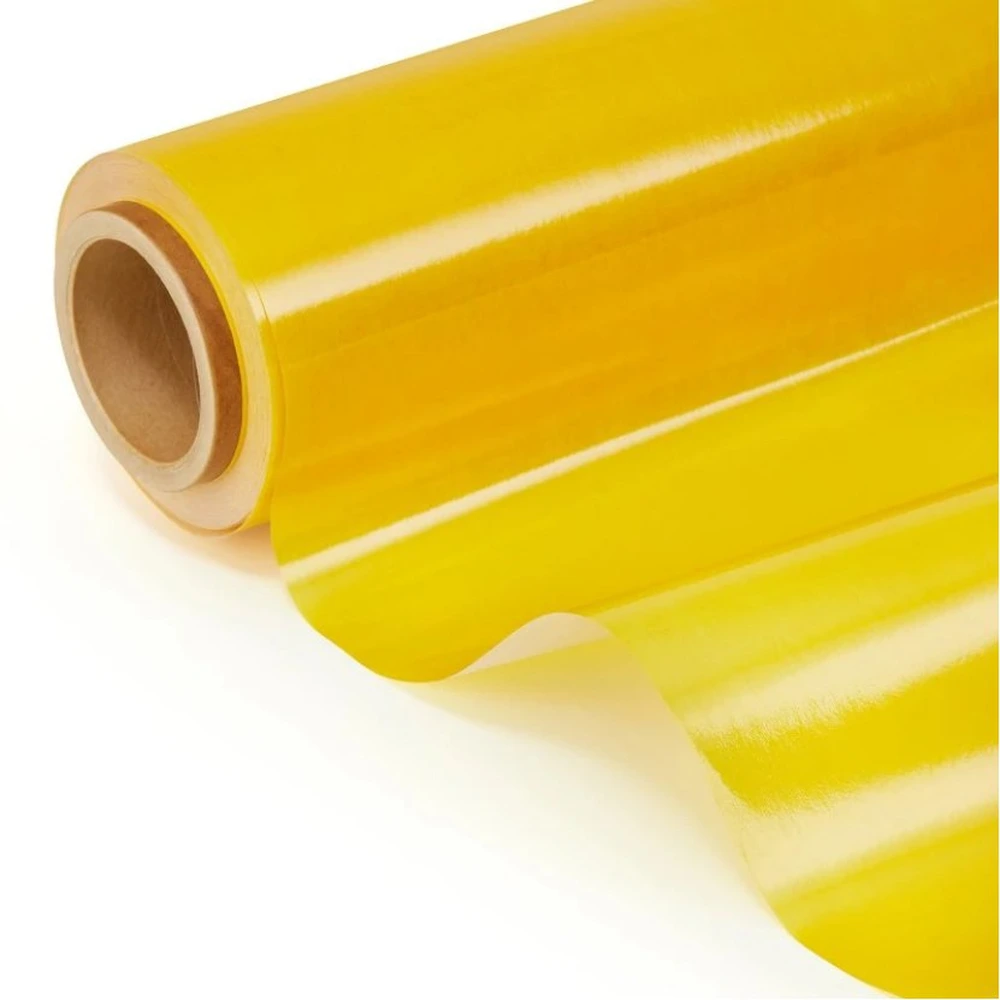
Its reported characteristics reflect the design goals discussed earlier:
- Excellent dielectric performance and good mechanical properties. The composite provides strong electrical insulation while remaining durable enough for real-world handling.
- Good flexibility and easy shaping. The material has a good shape, is easy to use, and can be worked during assembly without cracking.
- Reduced slot insulation thickness. Because it delivers reliable insulation in a thin profile, it allows designers to reduce the thickness of groove (slot) insulation and increase the slot fill rate.
- Low dielectric loss and excellent high-temperature characteristics. These make it suitable for a variety of harsh working environments.
- Good compatibility with varnish. It integrates well with the varnishes used in motor and transformer manufacturing.
Typical Specifications
| Property | Typical Value |
| Type No. | TF6051-DK (made-to-order) |
| Thickness | 0.08 mm |
| Width | 1000 mm |
| Length | 1500 m |
| Colour | Yellow |
| Tensile strength (MD) | ≥ 135 MPa |
| Tensile strength (TD) | ≥ 115 MPa |
| Elongation | ≥ 35% |
| Heat contraction rate at 150 °C | ≤ 1.0% |
| Heat contraction rate at 400 °C | ≤ 3.0% |
| Electrical operating frequency intensity | ≥ 150 MV/m |
| Surface resistivity at 200 °C | ≥ 1.0 × 10^13 Ω |
| Volume resistivity at 200 °C | ≥ 1.0 × 10^10 Ω·m |
| Relative dielectric constant (48–62 Hz) | 3.5 ± 0.4 |
| Dielectric loss factor (48–62 Hz) | ≤ 4.0 × 10^-3 |
| Long-term heat-resistance temperature index | ≥ 180 |
Typical Applications
TF6051-DK carries a Class H heat-resistance rating. Class H insulation is specified for machines that operate at higher temperatures than standard classes, making the material appropriate for equipment that runs hot or is exposed to elevated ambient temperatures.
Typical uses include:
- Insulation between slots in motors and electrical appliances
- Inter-wire insulation within windings
- Phase insulation between different phases of a machine
- Lining thermal insulation for Class H motors and electrical appliances
- Dry-type transformers, where high temperature capability and reliable dielectric performance are essential
Conclusion
Choosing the right insulation material is essential for maintaining the reliability and service life of electric motors, generators, and transformers. Combining polyimide film with Nomex paper brings together excellent dielectric performance, high-temperature resistance, mechanical strength, and flexibility. This combination makes it a practical solution for applications that require reliable insulation in demanding operating environments.
TF6051-DK combines these properties in a flexible composite material designed for Class H insulation applications. With its thin profile, good compatibility with varnish, and suitability for slot insulation, inter-wire insulation, phase insulation, and dry-type transformers, it offers a practical option for electrical equipment manufacturers.
If you are looking for a reliable polyimide film and Nomex paper composite for your insulation applications, contact our team to learn more about TF6051-DK, discuss your technical requirements, and explore customized insulation material solutions for your projects.
Frequently Asked Questions
What is a polyimide film / Nomex paper composite used for?
It is used as flexible insulation in electric motors, generators, and transformers. Common applications include slot insulation, inter-wire insulation, phase insulation, and the lining thermal insulation of Class H motors and dry-type transformers.
Why combine polyimide film with Nomex paper?
The two materials are complementary. Polyimide film provides high-temperature resistance and excellent dielectric performance, while Nomex paper provides mechanical strength and flexibility. Together they form an insulation material that is thin, strong, easy to handle, and reliable in harsh electrical and thermal environments.
What does a Class H rating mean?
Class H is a thermal rating for insulation systems that can withstand higher operating temperatures than standard classes. It indicates the material is suitable for machines that run hot or operate in elevated ambient temperatures.
Can this composite reduce slot insulation thickness?
Yes. Because the material delivers strong dielectric performance in a thin profile, it allows designers to reduce slot insulation thickness and increase the slot fill rate, which can improve efficiency and power density.