Top Applications of Ultra Thin Polyimide Film in Flexible Electronics and Microelectronics
1.What Is Ultra Thin Polyimide Film?
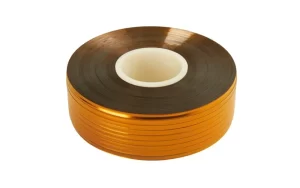
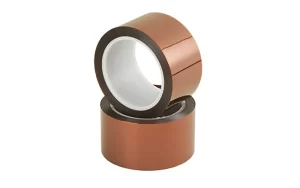
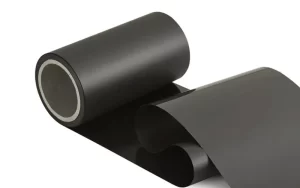
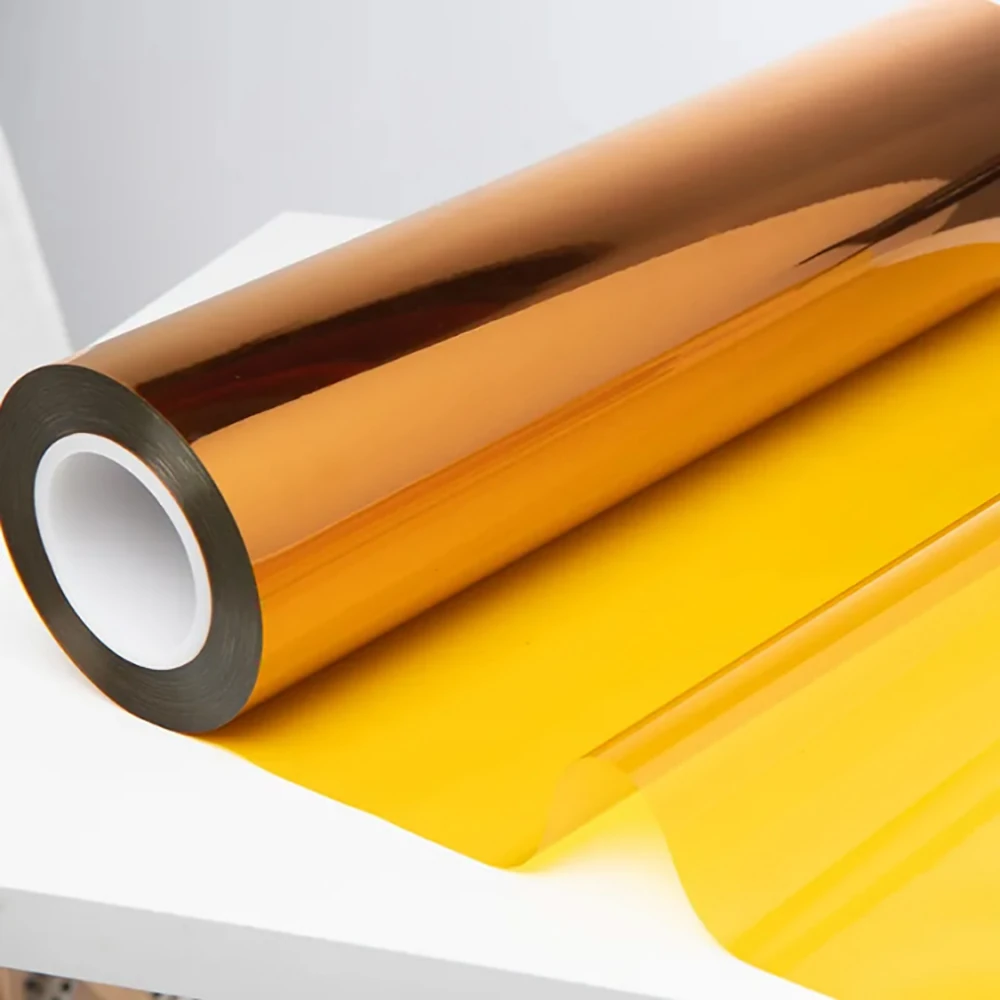
Ultra thin polyimide films with a polyimide thickness of 5–20 μm are high-performance polymer films prepared using a biaxial orientation process, exhibiting higher strength and dimensional stability. Unlike standard polyimide films (25–125 μm), ultra thin polyimide films are designed for applications with extremely high requirements for space, weight and flexibility. Due to the chemical properties of their aromatic polyimide, these films naturally range in color from yellow to amber, with transparent and black versions also available to meet the needs of different applications for light transmission or light blocking.
2.How It Differs from Standard Polyimide Films
Standard polyimide films (25–125 μm) are suitable for applications such as motor slot liners, transformer insulation, and flexible heater substrates. Ultra thin films (less than 20 μm) focus on flexibility and low stiffness, with common sizes being 5, 7.5, 12.5, and 18 μm.
Natural Yellow: The standard form, offering the best balance of properties for most electronic applications.
Clear (Transparent): Used in optical touch panels, flexible displays, and applications requiring visual inspection through the film.
Black: Provides light blocking for photosensitive devices, camera modules, and display backplanes.
3.Why Ultra Thin Polyimide Film Is Indispensable
3.1 Thermal Stability
Polyimide films maintain structural integrity from -269°C to over 400°C for short periods, with most ultra thin grades rated for continuous operation between -200°C and 300°C. This thermal stability ensures reliable performance in harsh environments like automotive engine compartments, aerospace electronics, and industrial heating systems. Thermal shrinkage is also critical—high-quality ultra thin films shrink less than 0.1% after two hours at 200°C, which is essential for maintaining layer alignment during multilayer lamination and reflow soldering.
3.2 Dielectric Strength and Electrical Insulation Performance
Ultra thin polyimide films are excellent electrical insulators. Despite being only micrometers thick, they deliver a dielectric strength of 200 to 300 V/μm. For example, theoretically, a 5μm thick film can block voltages of 1000 to 1500 volts—of course, engineers always leave a certain safety margin to deal with the effects of factors such as defects, temperature, and aging.
Their volume resistivity exceeds 10¹⁵ Ω·cm, which means that they impede the flow of electric current even at high temperatures. Surface resistivity is also high—over 10¹⁴ Ω—which prevents current leakage between tightly packed conductors in high-density circuits.
3.3 Mechanical Flexibility and Tear Resistance
Ultra thin polyimide films achieve tensile strengths of 200–350 MPa and elongations at break of 30–80%, allowing them to withstand thousands of bends without failure.
3.4 Chemical Resistance and Low Moisture Absorption
Polyimide provides chemical resistance for withstanding cleaning and coating processes, and its 1–3% moisture absorption, while non-negligible, is acceptable for most electronic applications except those requiring tight high-frequency control.
4.Major Applications Across Industries
Ultra thin polyimide film serves as an enabling material across diverse industries, each leveraging different property combinations.
4.1 Flexible Printed Circuits (FPC) and FCCL Substrates
Flexible copper clad laminates (FCCL) use polyimide film as the base dielectric layer. Ultra thin polyimide (5–12.5μm) allows manufacturers to produce ever-thinner flexible circuits for smartphones, tablets, laptops, and wearables. Thinner circuits bend more easily, stack into tighter spaces, and reduce overall device thickness.
4.2 Semiconductor Packaging and Chip Protection
In advanced semiconductor packaging, ultra thin polyimide film serves as a stress buffer layer, passivation coating, and die attach film. Chip-on-film (COF) packaging for display drivers uses polyimide film as the substrate onto which bare chips are directly bonded.
4.3 MEMS Sensors and Microelectronic Devices
Microelectromechanical systems (MEMS) require flexible, thin substrates for pressure sensors, accelerometers, and microphones. Polyimide’s low modulus and high elongation accommodate the small mechanical deflections these sensors rely upon.
4.4 Flexible Displays and Wearable Electronics
Foldable and rollable displays use ultra thin polyimide film as the substrate upon which thin-film transistors and OLED layers are deposited. Wearable health monitors, smartwatches, and fitness trackers incorporate polyimide-based flexible circuits to conform to body contours.
4.5 Medical Electronics and Implantable Devices
Temporary and implantable medical devices benefit from polyimide’s biocompatibility, chemical resistance, and ability to form ultra thin, flexible structures. Neural recording electrodes, pacemaker leads, and drug delivery systems use polyimide as an insulating and structural material.
4.6 Aerospace, Automotive, and EV Battery Insulation
Aerospace avionics demand materials that survive temperature extremes, vibration, and outgassing limits. Automotive electronics—particularly in electric vehicles—use polyimide film for battery cell insulation, busbar wrapping, and inverter circuits where high voltages demand reliable dielectric barriers.
5.Critical Technical Parameters to Consider When Selecting Polyimide Film
Engineers and procurement specialists should evaluate the following parameters when comparing ultra thin polyimide film options.
5.1 Thickness and Thickness Tolerance
Nominal thickness (5μm, 7.5μm, 12.5μm, 18μm, etc.) must be matched to dielectric and mechanical requirements. Thickness tolerance—ideally ±0.3μm for high-quality films—ensures consistent electrical performance across large panels or long production runs.
5.2 Tensile Strength and Elongation at Break
Higher tensile strength (220+ MPa) resists tearing during lamination, die cutting, and assembly. Elongation (25–80%) indicates how much the film can stretch before failure, important for dynamic flexing and forming around corners.
5.3 Insulation Strength and Volume Resistivity
Dielectric strength (V/μm) determines how much voltage the film can block at a given thickness. Volume resistivity (Ω·cm) indicates bulk insulation quality; values above 10¹⁴ Ω·cm are excellent.
5.4 Thermal Shrinkage and Coefficient of Thermal Expansion (CTE)
Shrinkage below 0.1% (200°C, 2 hours) maintains dimensional stability. CTE—typically 16–30 ppm/K for polyimide—should match adjacent materials (copper: 17 ppm/K) to minimize thermal stress in multilayer constructions.
5.5 UL Flammability Rating and Compliance Standards
VTM-0 rating under UL 94 indicates the film self-extinguishes within 10 seconds and does not ignite cotton indicators. RoHS and REACH compliance ensures the film contains no restricted hazardous substances, mandatory for electronics sold in the EU and many global markets.
6.Featured Product – Ultra Thin Polyimide Film
Our ultra thin polyimide film represents years of independent development and production optimization. We manufacture biaxially oriented natural color (yellow) polyimide films designed specifically for demanding flexible electronics, microelectronics, and high-density electronic device applications.
6.1 Available Models: TF-5.0 (5μm) and TF-7.5 (7.5μm)
We currently offer two standard ultra thin grades:
| Model | Nominal Thickness | Typical Applications |
| TF-5.0 | 5μm | Extreme-thin flexible circuits, MEMS substrates, high-density interconnects |
| TF-7.5 | 7.5μm | FPC coverlay, sputtering FCCL substrates, insulation tape |
Additional thickness options (including 12.5μm and 18μm) are available upon request. Maximum supply width reaches 1540mm, accommodating large-format production requirements.
6.2 Certified Quality – UL, RoHS, and REACH Compliant
Our films have passed rigorous third-party testing and certification:
- UL Safety Certification – Recognized under the UL Yellow Card program
- RoHS Compliance – Free from lead, mercury, cadmium, hexavalent chromium, PBB, and PBDE
- REACH Compliance – SVHC levels below applicable thresholds
6.3 Technical Specifications Summary
| Parameter | TF-5.0 | TF-7.5 | Test Method |
| Thickness (μm) | 5 ±0.3 | 7.5 ±0.3 | ASTM D374 |
| Tensile Strength (MPa) | 220 | 230 | ASTM D882 |
| Elongation (%) | 30 | 30 | ASTM D882 |
| Insulation Strength (V/μm) | 250 | 250 | ASTM D149 |
| Volume Resistivity (Ω·cm) | 5×10¹⁵ | 5×10¹⁵ | ASTM D257 |
| Surface Resistivity (Ω) | 3×10¹⁵ | 3×10¹⁵ | ASTM D257 |
| Heat Shrinkage (200°C/2Hr, %) | 0.08 | 0.08 | ASTM D5213-04 |
| CTE (ppm/K) | 22 | 22 | GB/T36800 |
| Flammability Rating | VTM-0 | VTM-0 | UL 94 |
| Moisture Absorption (%) | 1.4 | 1.4 | ASTM D570 |
| Density (kg/m³) | 1425 | 1425 | ASTM D1505 |
6.4 Typical Applications for Our Product Line
Customers successfully integrate our ultra thin polyimide film into:
- FCCL base films (both cast and sputtered types)
- Ultra-thin coverlay for flexible circuit protection
- Electrical and thermal insulation tape substrates
- High-density interconnect (HDI) layer insulation
- Miniature motor and transformer insulation
7.Conclusion – Matching the Right Film to Your Application Needs
Ultra thin polyimide film enables next-generation electronics—from foldable displays and wearables to EV battery insulation and aerospace avionics. The trend toward thinner, denser devices will increase demand for reliable sub-10μm films. When selecting a film, priority should be given to: thickness and tolerances, mechanical properties, thermal properties, and certifications. If you are interested in our products, please feel free to contact us for a quote.