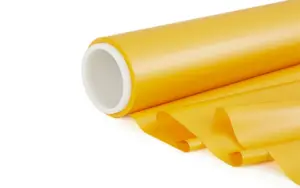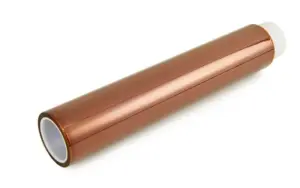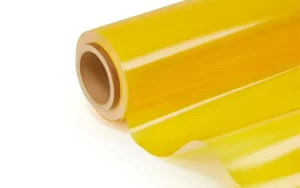
What Is Thermally Conductive Polyimide Film and How Does It Work?
Polyimide film is widely used in applications where electrical insulation, flexibility, mechanical strength, and heat resistance are important. However, standard polyimide film has relatively limited thermal conductivity, which can become a consideration when it is used near heat-generating components.
Thermally conductive polyimide film is developed to address this requirement. It combines the basic characteristics expected from polyimide film with higher thermal conductivity, allowing the material to support heat management while maintaining electrical insulation. This makes it relevant to applications such as power electronics, electric motors, batteries, LED substrates, and other high-temperature systems.
Key Takeaways
- Thermally conductive polyimide film combines heat-transfer capability with the electrical insulation, flexibility, and mechanical properties of polyimide film.
- Thermal conductivity is only one selection factor. Film thickness, electrical performance, mechanical strength, thermal stability, and the overall thermal path should also be considered.
- Common applications include lithium-ion batteries, electric motor slot liners, heater circuits, power supplies, and other electronic components.
- FORTUNE Polyimide Film MT offers a specified thermal conductivity of ≥0.7 W/(m·K) in 25 μm, 38 μm, and 50 μm thicknesses.
- The right specification depends on the application, including available space, mechanical requirements, processing conditions, and electrical performance.
What Is Thermally Conductive Polyimide Film?
Polyimide film is a thin polymer film known for its combination of thermal stability, mechanical performance, electrical insulation, and flexibility. These characteristics allow it to be used as an insulating or structural material in demanding electronic and electrical applications.
Thermally conductive polyimide film is a type of polyimide film designed with enhanced heat-transfer capability. It combines thermal management and electrical insulation in a thin, flexible material. For engineers and buyers, selecting the right film requires balancing polyimide film thermal conductivity with the material’s polyimide electrical properties and mechanical performance.
How Does Thermally Conductive Polyimide Film Work?
Thermally conductive polyimide film is designed to do two jobs at the same time: help transfer heat and provide electrical insulation.
When the film is placed near a heat-generating component, heat can pass through the film and move toward another part of the thermal-management system. The film does not actively cool the component. Instead, it helps move heat away while keeping electrically conductive parts separated.
The basic working principle can be understood through three key points:
- Heat transfer: The film allows heat to pass through its material, helping move heat away from a heat-generating component.
- Electrical insulation: Although heat can pass through the film, the material still separates conductive components and helps prevent unwanted electrical conduction.
- Thin and flexible design: As a film material, it can be used in applications where space is limited and a thin insulating layer is required.
What Affects Heat Transfer?
Thermal conductivity indicates how easily heat can move through a material. Generally, a higher thermal conductivity allows heat to pass through the material more efficiently under the same conditions.
However, the thermal performance of the final application depends on more than thermal conductivity alone. Important factors include:
- Film thickness: Thinner or thicker films can affect the distance heat needs to travel.
- Contact conditions: How closely the film contacts surrounding components can affect heat transfer.
- Heat source: The amount and location of generated heat can influence the thermal path.
- Surrounding materials: The materials on either side of the film also affect how heat moves.
- Overall thermal path: The complete design determines where heat goes after passing through the film.
This is why polyimide film thermal conductivity should be evaluated together with the actual application design rather than considered as a standalone number.
Where Is Thermally Conductive Polyimide Film Used?
The combination of thermal conductivity, electrical insulation, flexibility, and thermal stability makes thermally conductive polyimide film suitable for a range of thermal-management and electrical applications.
Lithium-Ion Battery Cell and Pouch Wrap
Battery systems require materials that can provide electrical separation while fitting around compact components. Thermally conductive polyimide film can be used for lithium-ion battery cell and pouch wrap applications where these properties are relevant.
Electric Motor Slot Liners
Electric motors require insulation between conductive windings and other parts of the motor structure. At the same time, heat management is an important consideration during operation.
Thermally conductive polyimide film can therefore serve applications such as electric motor slot liners where electrical insulation and thermal management need to be considered together.
Heater Circuits
Heater circuits generate heat by design, making material selection particularly important. A suitable film can provide electrical insulation while supporting heat transfer within the overall structure.
Power Supplies and Electronic Components
Power supplies and electronic components can generate localized heat during operation. In these systems, a thermally conductive insulating film can help integrate electrical insulation with the thermal-management design.
Ceramic Board Replacement Applications
Compared with rigid ceramic materials, a flexible polyimide film can offer a different material format for applications where flexibility and electrical insulation are important considerations.
Why Choose FORTUNE Thermally Conductive Polyimide Film
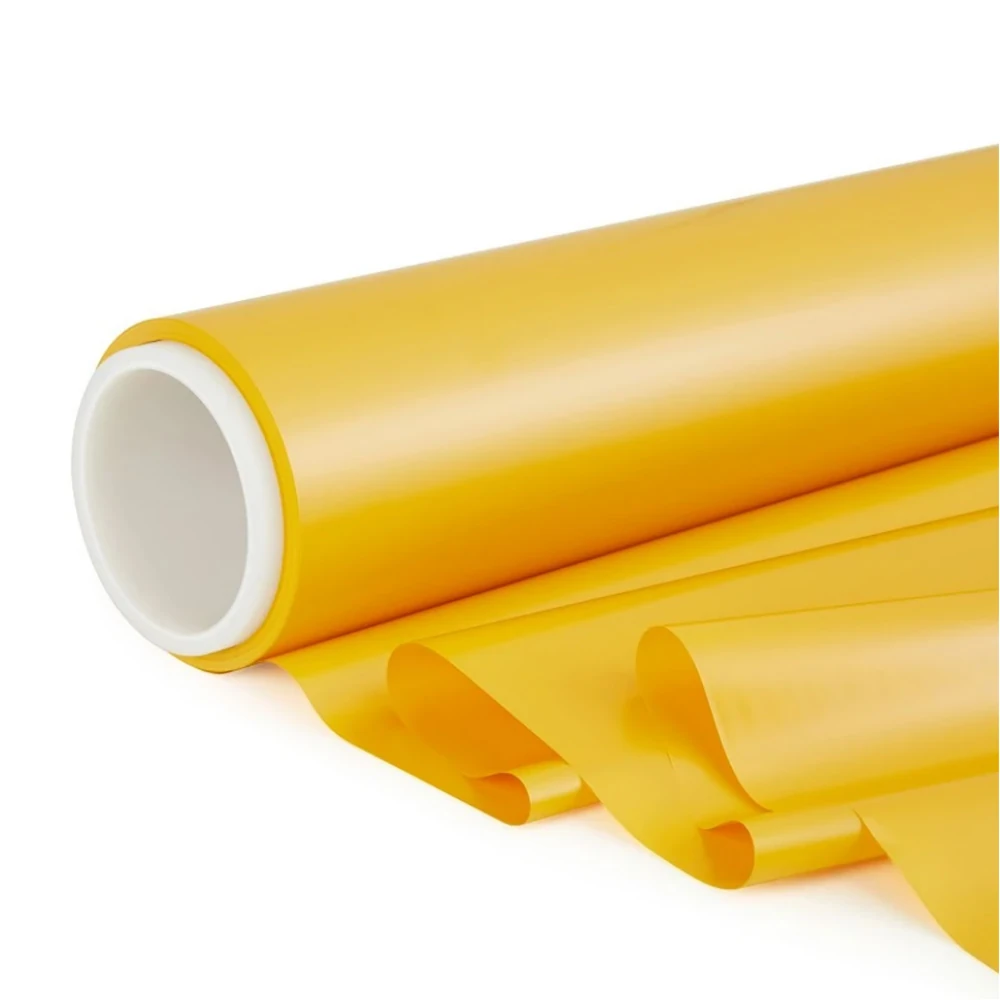
FORTUNE Polyimide Film MT combines thermal conductivity with the electrical, mechanical, and flexible characteristics of polyimide film. With a specified thermal conductivity of ≥0.7 W/(m·K), it is designed for applications that require heat transfer through a thin insulating film.
The MT series can be used for lithium-ion battery cell and pouch wrap, electric motor slot liners, heater circuits, power supplies, and ceramic board replacement applications.
Key Advantages of Polyimide Film MT
The main value of the MT series is its combination of thermal performance and the properties required for flexible insulating films.
- Thermal conductivity: ≥0.7 W/(m·K) to support heat transfer through the film.
- Electrical performance: Suitable for applications where conductive components need to remain electrically isolated.
- Mechanical properties: Different specifications provide different tensile strength and elongation values.
- Flexible film format: Suitable for compact structures and applications involving bending or wrapping.
- Dimensional stability: All three specifications have a heat contraction rate of <0.20% MD / <0.15% TD at 230°C.
This combination makes the material suitable for applications where thermal, electrical, mechanical, and space requirements need to be considered together.
Three Specifications to Match Different Requirements
FORTUNE high temperature polyimide film is available in 25 μm, 38 μm, and 50 μm thicknesses. All three specifications have a thermal conductivity of ≥0.7 W/(m·K), while their mechanical properties vary.
| Model | Thickness | Tensile Strength MD/TD | Elongation MD/TD | Thermal Conductivity |
| TF02MT25 | 25 μm | 115/85 MPa | 26/27% | ≥0.7 W/(m·K) |
| TF02MT38 | 38 μm | 100/85 MPa | 29/28% | ≥0.7 W/(m·K) |
| TF02MT50 | 50 μm | 95/85 MPa | 30/30% | ≥0.7 W/(m·K) |
How to Choose the Right Specification
The three specifications mainly differ in thickness and mechanical properties, so selection can be based on available space, processing conditions, and mechanical requirements.
TF02MT25 is the thinnest option at 25 μm and can be considered when minimizing material thickness is important.
TF02MT38, at 38 μm, provides an intermediate thickness for applications that require a balance between film thickness and mechanical characteristics.
TF02MT50 is the thickest option at 50 μm and has the highest elongation among the three specifications. It can be considered when the application has specific requirements for film thickness or flexibility during assembly.
Rather than choosing a specification based on thickness alone, engineers should consider the complete requirements of the application, including space, electrical performance, mechanical conditions, and thermal management.
Conclusion
Thermally conductive polyimide film extends the role of conventional polyimide film by adding improved heat-transfer capability to a material already valued for electrical insulation, mechanical performance, flexibility, and thermal stability.
When evaluating a material for thermal-management applications, polyimide film thermal conductivity is important, but it should be considered alongside electrical properties, mechanical strength, film thickness, and operating temperature.
FORTUNE’s Polyimide Film MT provides a specified thermal conductivity of ≥0.7 W/(m·K) in three thickness options and is designed for applications including lithium-ion battery cell and pouch wrap, electric motor slot liners, heater circuits, power supplies, and ceramic board replacement applications.
For application-specific material selection and technical requirements, FORTUNE can provide further product information and quotation support.
Frequently Asked Questions
1. What is thermally conductive polyimide film used for?
It is used in applications that require both heat transfer and electrical insulation, including batteries, electric motors, heater circuits, power supplies, and other electronic components.
2. What is a good thermal conductivity for polyimide film?
The required thermal conductivity depends on the application, film thickness, thermal path, and operating conditions. FORTUNE Polyimide Film MT has a specified thermal conductivity of ≥0.7 W/(m·K).
3. How do I choose the right polyimide film thickness?
Consider the available space, mechanical requirements, electrical performance, and processing conditions. FORTUNE Polyimide Film MT is available in 25 μm, 38 μm, and 50 μm thicknesses.